

+ by Andrea Stuart + photos by Jeremy Stuart
The land below is a mirage in the distance. Its pockmarked topographical face is age-lined with rivers and streams that cross over undulating farmlands punctuated by hundreds of buttes. A short while later, the land meets my eyes in piercing, white peaks as the sky continues its endless sojourn past the distant horizon. Another 20 minutes later, highway-laden landscapes give way to another blue sea, this one fringed with foam and kelp. I feel at odds with the ebbing emotions within. At 30-plus thousand feet in the air I am at once white-knuckled and aware of every creak, groan, whoosh, and ding as I am in awe of the ever-changing stretch of land and sea beneath me. From here, my problems seem so small.
For many people, travel begins long before the suitcase is zipped. It begins with anticipation. The inaudible excitement of counting down the days. Researching localities. Imagining unfamiliar skylines and landscapes. Picturing the embrace of people one hasn’t seen in far too long.
Psychologists have long recognized anticipation as a meaningful contributor to happiness. Studies suggest that planning a vacation can elevate mood even before departure. Stepping outside the routines that define everyday life gives the mind permission to untether its worries. Deadlines, housework, overflowing inboxes, and the thousand invisible obligations that occupy one’s attention are replaced by manifesting fantasy.
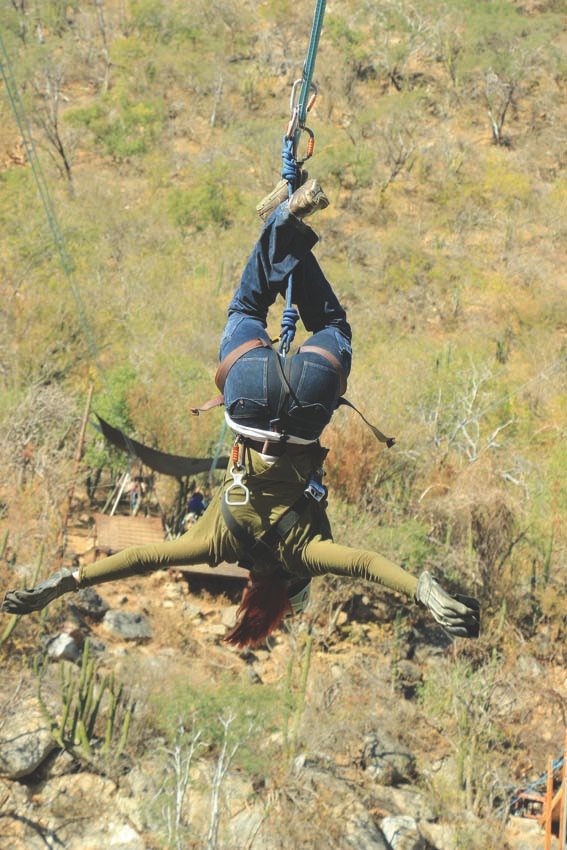
This interruption of routine is as refreshing as it is restorative. Chronic stress keeps the body’s sympathetic nervous system—the fight-flight-or-freeze response—in a state of hypervigilance. While a vacation cannot erase anxiety disorders or undo years of accumulated stress, time spent away from persistent demands may allow the nervous system opportunities to settle into its parasympathetic counterpart—the “rest-and-digest” state. Researchers have found that periods of recovery from chronic stress are associated with improved concentration, sharper memory, greater creativity, and increased productivity upon returning home. Travel can create enough distance to return to it with renewed clarity.
Travel also expands the mind in ways that linger long after unpacking. Encountering unfamiliar languages, customs, landscapes, and ways of living challenges assumptions people hold—assumptions they often don’t realize exist. Neuroscientists describe the brain as thriving on novelty. New experiences encourage the formation of fresh neural connections while engaging curiosity, adaptability, and problem-solving. Whether navigating an unfamiliar subway system, tasting a new cuisine, or witnessing unfamiliar traditions, travel reminds one that there are myriad ways to live a meaningful life. And that broadened perspective can make personal challenges feel less permanent and the world considerably larger.
Perhaps one of travel’s most overlooked gifts is its ability to redirect one’s attention outward. Anxiety has a tendency to narrow focus inward, causing intrusive thoughts to circle around perceived threats, physical sensations, or worst-case scenarios. It’s an exhausting form of hypervigilance that can make the world feel increasingly small.
Travel gently interrupts that cycle. A breathtaking coastline, a conversation with a stranger, the laughter of a group at a nearby table while dining out, or the quiet reverence of an ancient landmass asks something different of the mind: to observe rather than anticipate. To become curious rather than fearful. In doing so, empathy ignites, both for others and oneself.
Of course, travel isn’t effortless. For many people, including me, the days leading up to a trip can be stress-inducing. There are dogsitters to coordinate, work deadlines to rearrange, bags to pack, flights to catch before sunrise, unfamiliar transit systems to navigate, and healthy routines that inevitably bend under the realities of travel.

But it can also produce a healthy dose of dopamine (the reward chemical), serotonin (the happiness and contentment chemical), and endorphins (those sassy pain-killing hormones that make us feel oh-so-good). That’s because there is an important distinction between stress that diminishes a person and stress that accompanies growth. The nervous excitement of visiting a loved one, embarking on an assignment that inspires passion, or exploring a destination only previously dreamed of carries purpose. The temporary discomfort becomes part of a larger story.
Looking back, I rarely remember the frantic packing or the airport delays. I remember the conversation shared over wine at a winery opening while bonding with a colleage over a shared love of karaoke. I remember watching bald eagles breach the roof of our rental house off the Washington coast. I remember standing atop a Hawaiian crest overlooking the Pacific Ocean while realizing somewhere along the way that I had gone hours without checking the clock or my pulse. My mind, so accustomed to scanning for danger, instead finds a place at curiosity’s table. And perhaps that’s the quiet promise of travel. It doesn’t ask a person to leave the self behind. Instead, it’s a reminder that there is so much more waiting to hold one’s attention.
As the wheels touch down and gravity renegotiates its relationship with the great metal bird, my grip on tension begins to ease. The older couple beside us slowly emerges from slumber (a feat I envy). Behind me, a service dog perks up his ears, awaiting the quiet cue that it’s time to go. Flight attendants perform their practiced ballet through the aisle, collecting the last bits of refuse and sending passengers on their way with warm smiles.
With bag in-hand and husband on-arm, I realize that somewhere back home, my endless to-do list waits patiently on a Post-it note, no longer clamoring for my attention.
For now, my breath flows easily. My eyes are open. The world’s boundaries are removed. █