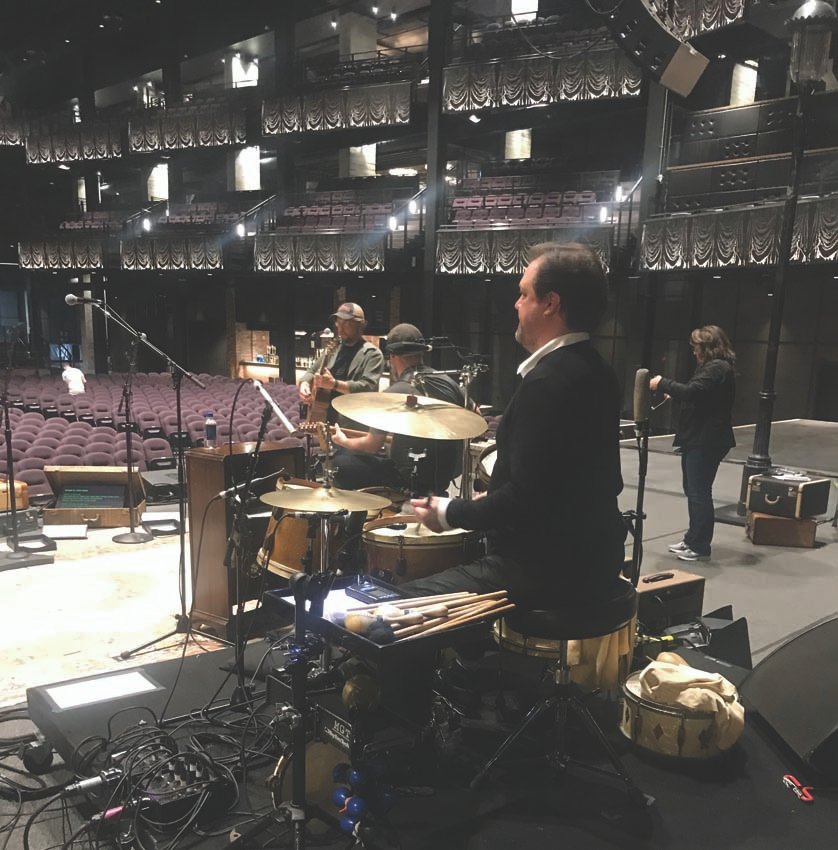
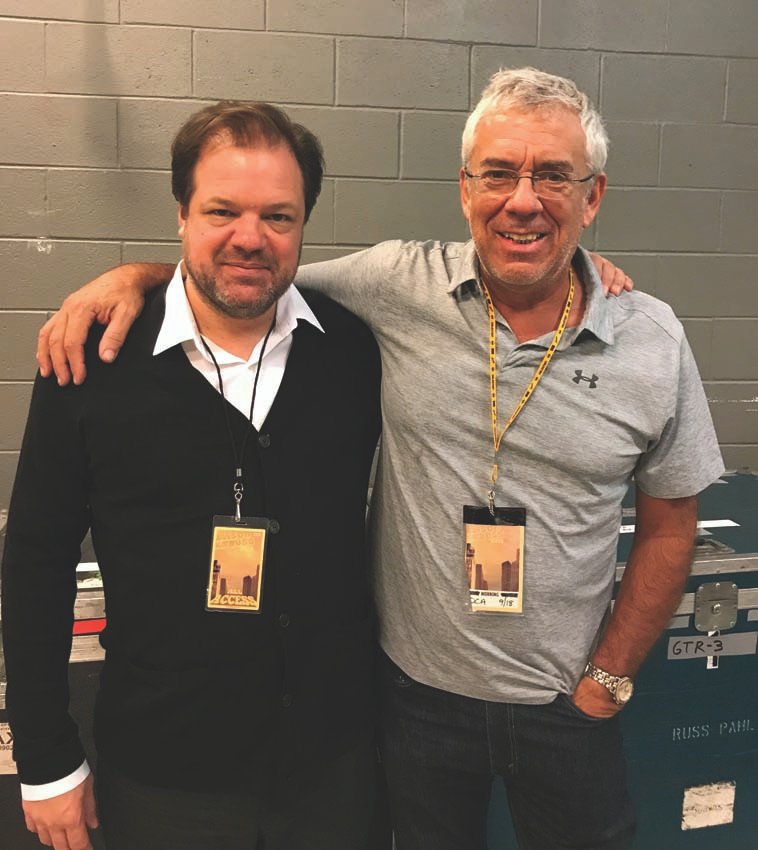
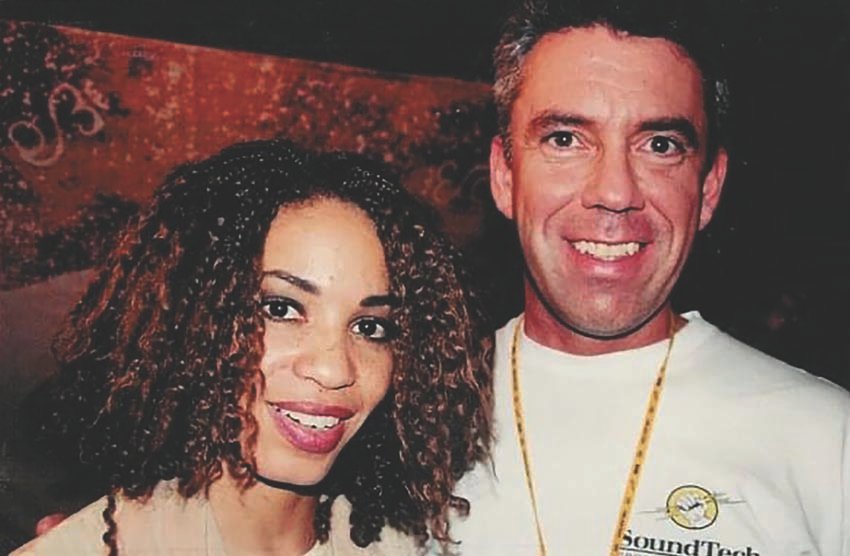
+ By Rahsaan “Wordslave” Eldridge + Photos courtesy of Richard King
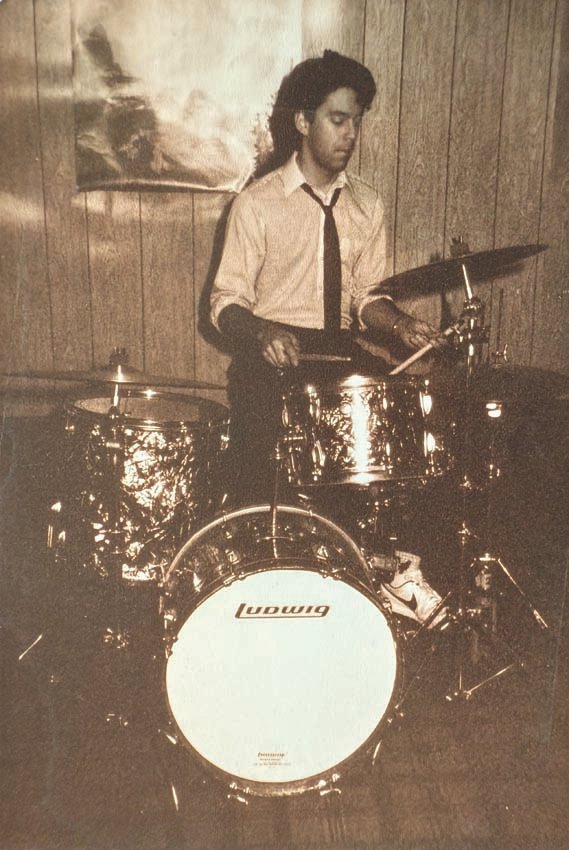
Growing up in New Jersey, Richard King heard music everywhere. It was in the orchestra at school, on every block in his neighborhood, and in his home. His eclectic musical taste was influenced by artists he heard on the radio, ranging from Aretha Franklin and Grand Funk Railroad to the Beatles and Charlie Pride. When his mother noticed his love for music, she bought him a guitar, but for King, it was always about the drums.
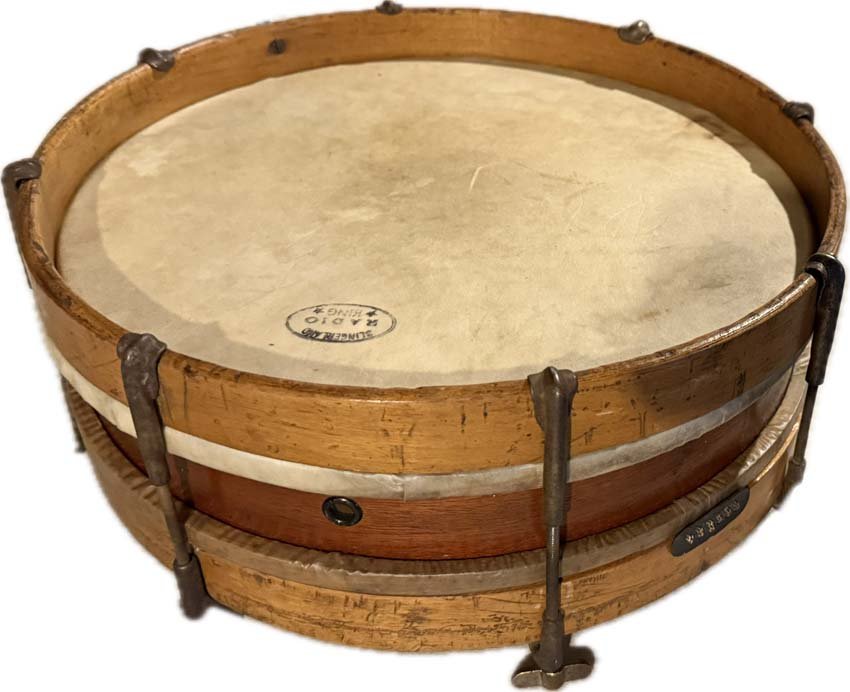
He assembled makeshift drum kits from whatever materials he could get his hands on: garbage pails, potato chip cans, ash trays. Eventually, his mother gave him a snare drum that he played for about a year before requesting a full drum set. When his mother said she couldn’t afford it, King got a newspaper route and saved up money to buy one himself. The kit wasn’t in great shape, so he took it apart, cleaned it, and repaired it to a playable condition. King played that drum set for a couple of years, until he could buy a professional one. He built his playing skills by listening to records through headphones (which he also saved up to buy) and playing along with the music. That persistence was foundational to his career as a player and a vintage drum expert.
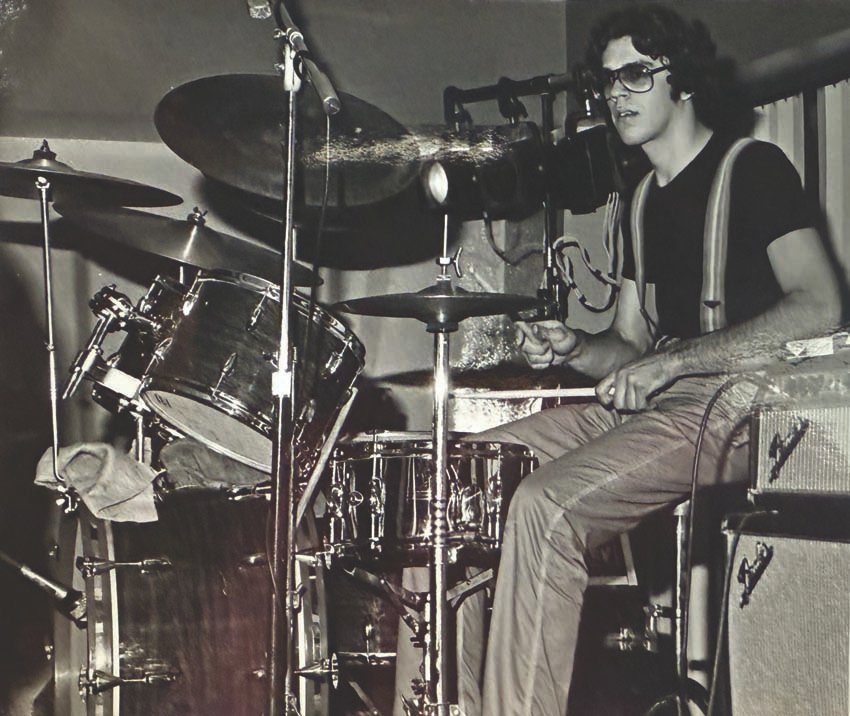
King was always looking for someone to play music with. He started his first band with neighbors when he was just 12 years old. He admits that they weren’t very good, but they always had a great time jamming. When bands rented houses in his neighborhood to rehearse, King watched through the window and sometimes knocked and asked to join them. Reluctantly, they let him play so he would leave, but that was fine with King; he was happy just to be playing.

The family moved to Edgewater, Maryland, which was rural compared with their New Jersey community, but finding other musicians helped King adjust quickly. One day, he knocked on a neighbor’s door after he heard music coming from the basement. Shortly afterward, he started a band with the guitar player. King also joined his high school band and excelled because of his listening skills and good memory, despite not being able to read music.
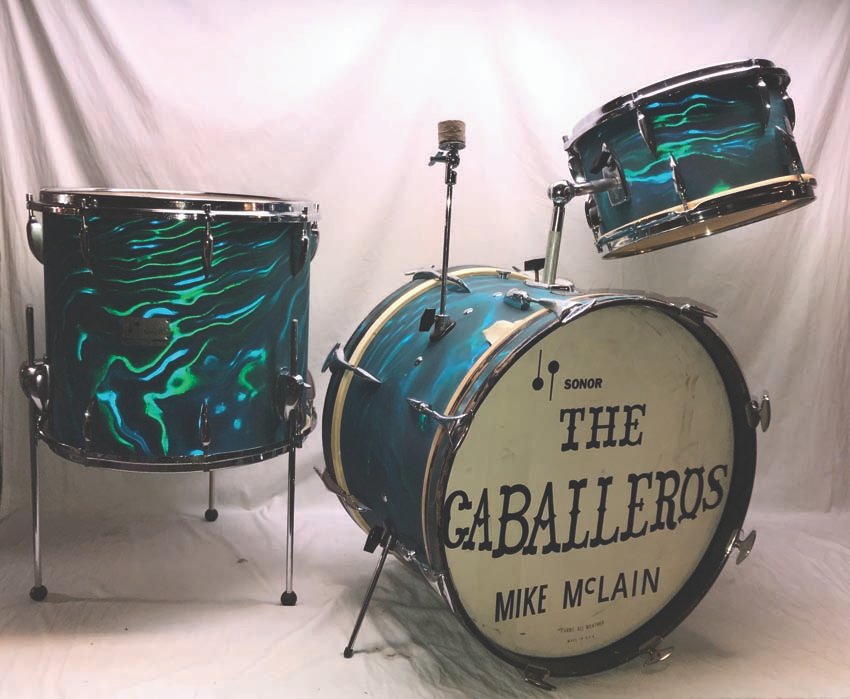
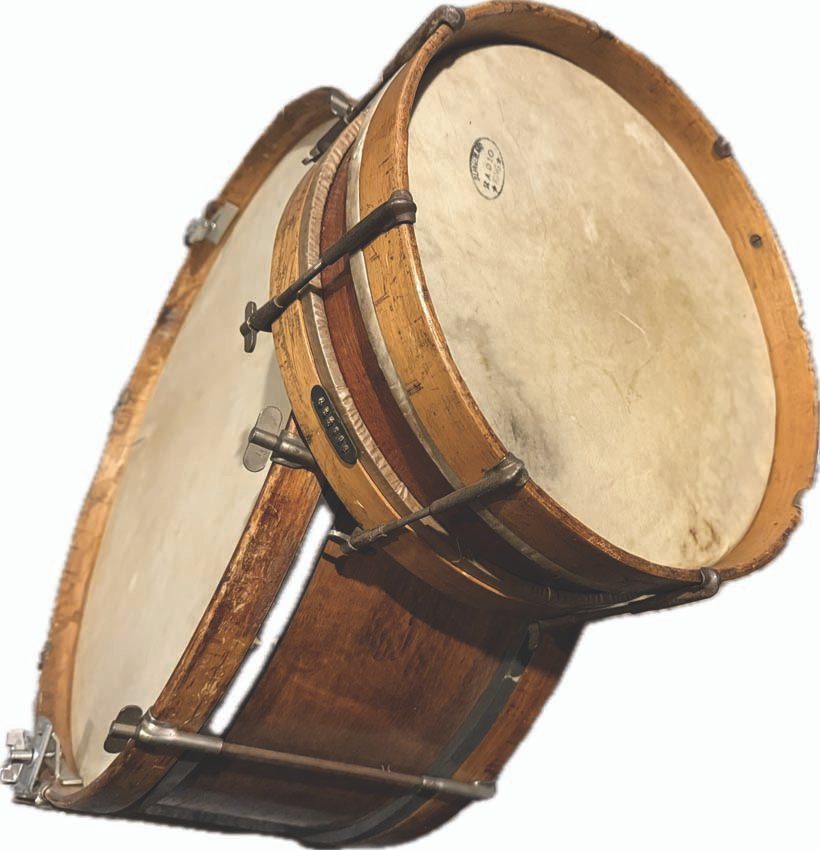
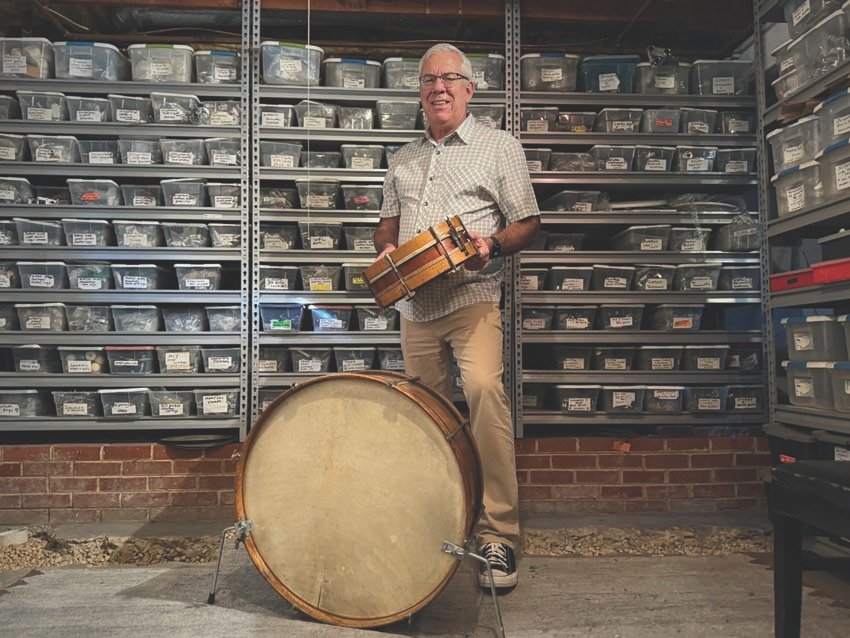
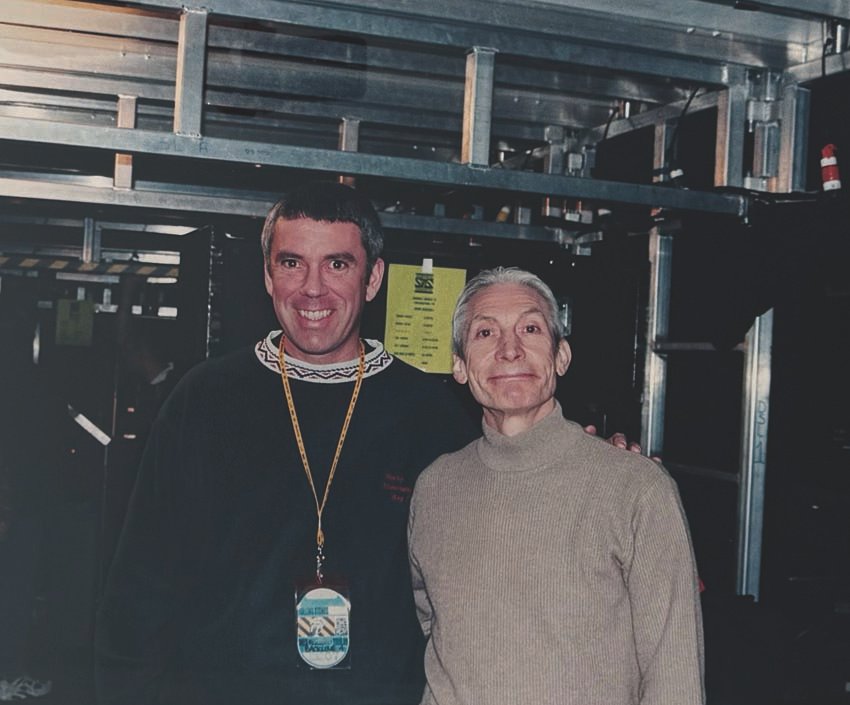
Instead of going to college, King continued playing music and working various jobs during the day. He also picked up gigs as a soundman to supplement his income. One of those jobs was at Master Musicians, a music store in Glen Burnie, where he specialized in appraising, restoring, and selling antique drums. His reputation of being knowledgeable about vintage drums eventually led to a phone call from the Rolling Stones, who were looking for a specific bass drum for Charlie Watts. King didn’t have the drum in stock, but he found one and restored it for Watts. Four months later, King delivered it just in time for the band’s tour. King and Watts developed a relationship in which Watts trusted King to deliver on his special equipment needs, and the demand for King’s expertise as well as his access to distinguished company increased exponentially.
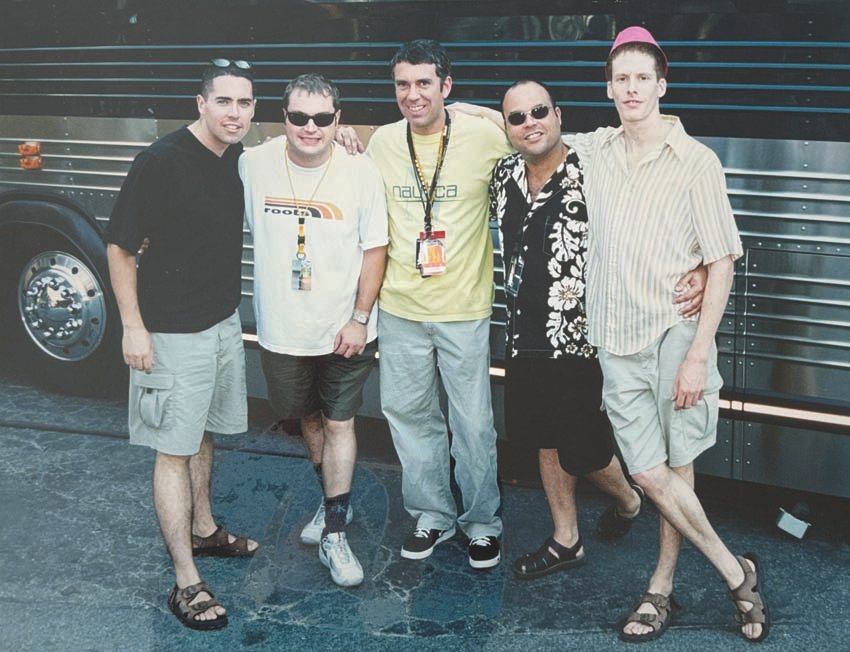
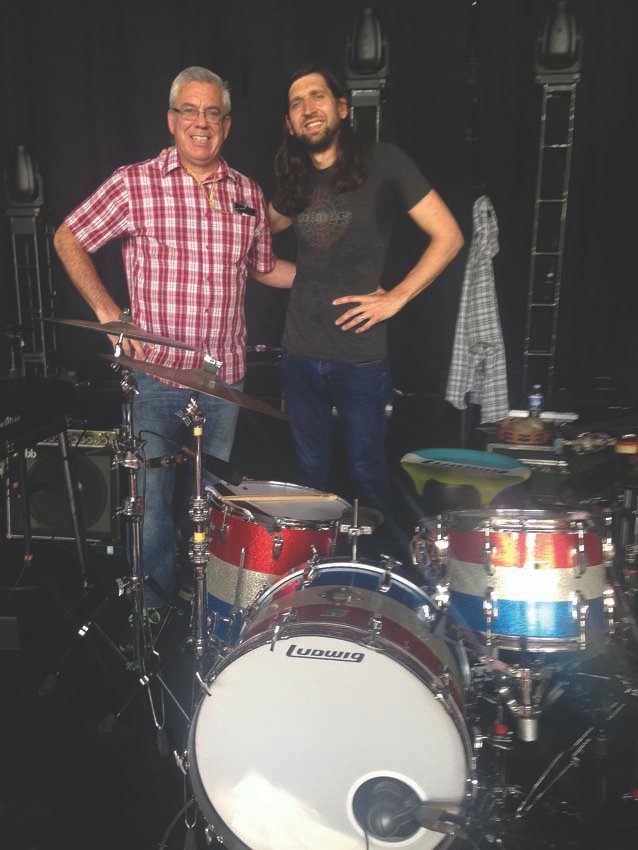
King has met drummers he admires, including Buddy Rich, Richie Hayward, Ringo Starr, and Cindy Blackman Santana, to name a few. He studied them closely and asked questions. A piece of advice that stuck with him is “Play in the pocket.” King’s early influences were Billy Cobham, Neil Peart, and Carl Palmer. As a young drummer, he favored flamboyant playing styles, but over time, he has evolved into a more straightforward player, priding himself on being a backbone of groove for the band to lock into. A longtime friend and bass player in the Monuments, Jay Turner, lauds King’s commitment to the material, and being a team player and a good human being. King says, “[It’s] that feeling you get when everybody locks in, like playing on a football team, and everyone’s going in the right direction, and you’re winning the game. It’s really powerful.”
His passion for learning, fixing, and rebuilding came from his father. King watched him study and work as an engineer. The expectation was that he would follow in his father’s footsteps, so when King pursued music instead, his father was initially disappointed. His mother was always supportive. When asked how she put up with all the noise he made practicing as a child, she says, “As long as you were here, I knew you weren’t out getting into trouble.”
As a teenager, King also enjoyed fixing cars. As he did with drums, he collected, but in this case, it was Volkswagen Beetles that he could dismantle and rebuild. He fed his obsession by working at a repair shop that specialized in the make and model. King’s interest in process led him to learn how to fix and run sound equipment and into a lucrative career in a field he loves with a niche set of skills. King believes that he inherited his father’s love of engineering, just in his own way.
He has spent countless hours driving across the country to vintage drum shows, picking up new pieces to restore and sell on reverb.com, an online marketplace for buying and selling musical instruments and equipment. He sells a lot of drum hardware rather than entire sets. He learned how to advertise and sell online at Master Musicians when it started an eBay account in the late 1990s. The drums that the store didn’t think were high in value or didn’t initially move sold quickly online after King’s treatment.
Weekdays are spent at home, working on drums in his shop. In the mornings, he walks or takes a bike ride, which helps maintain strength and energy for playing weekend gigs. The schedule is packed, playing with multiple bands, including FessuP, the Monuments, West Street Revival Band, Rick and the Revolving Doors, and Well Alright, a Rolling Stones tribute band. He also fills in with Michael K and Timmie Metz. He’s grateful for having more work than he can keep up with.
King is also known for his altruistic nature. He’s always willing to share his drums as backline for other bands or help run sound. His generosity extends beyond music as he helps people in substance abuse recovery as part of his twelve-step program. He’s celebrating 29 years of recovery this year.
King feels doubly fulfilled in his work. There’s gratification in taking an old drum and revitalizing it into something beautiful and optimizing its usefulness. When he’s playing, he feels a sense of community and is spiritually uplifted, especially when the band is locked in and in the pocket. ν
For more information, visit
facebook.com/Richard.king.94.