+ By Dylan Roche + Photos courtesy of Rodger Schultz
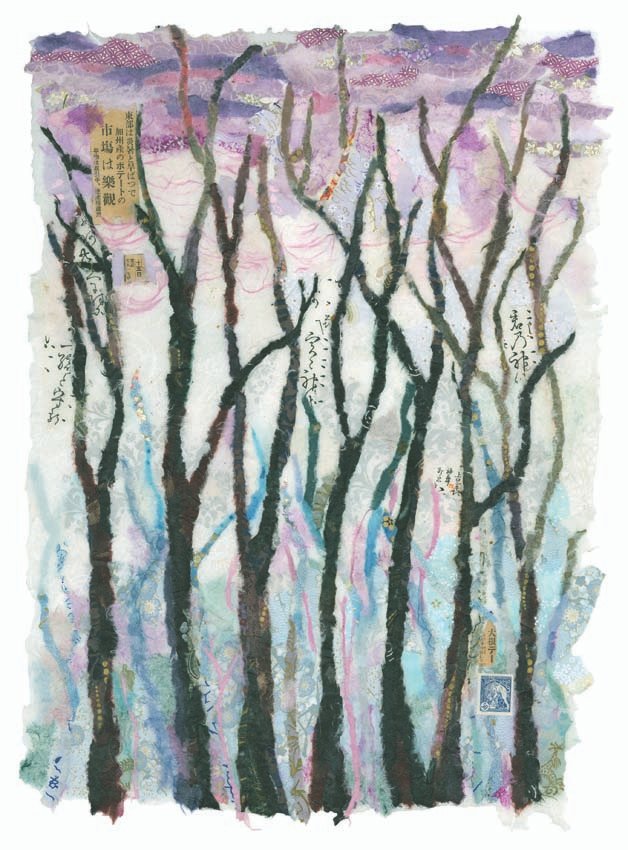
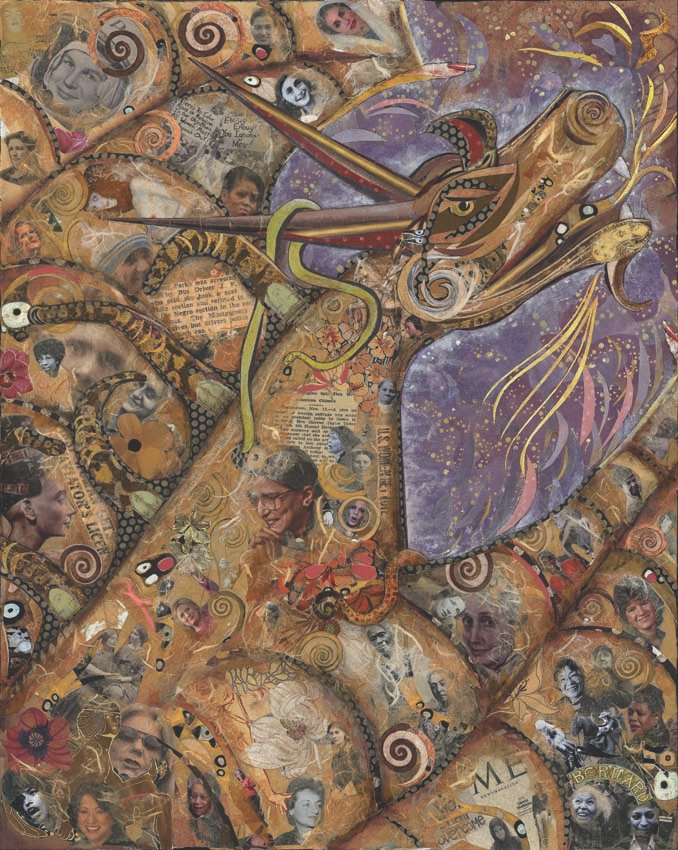
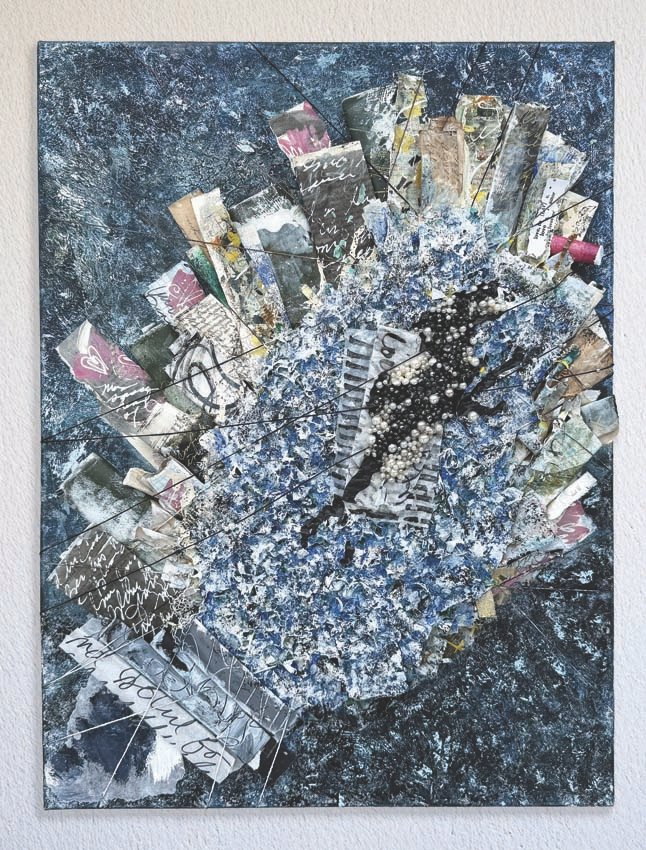
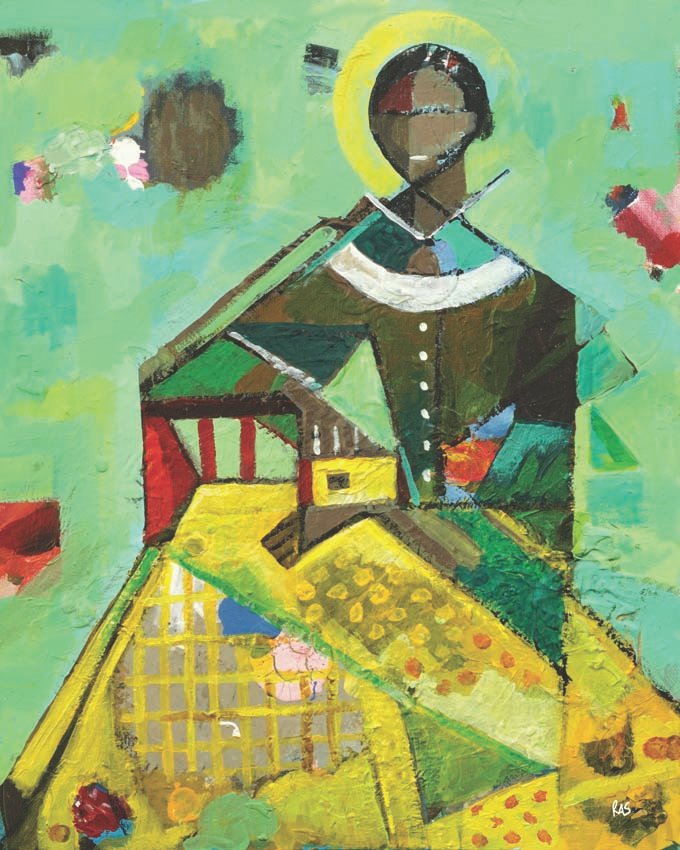
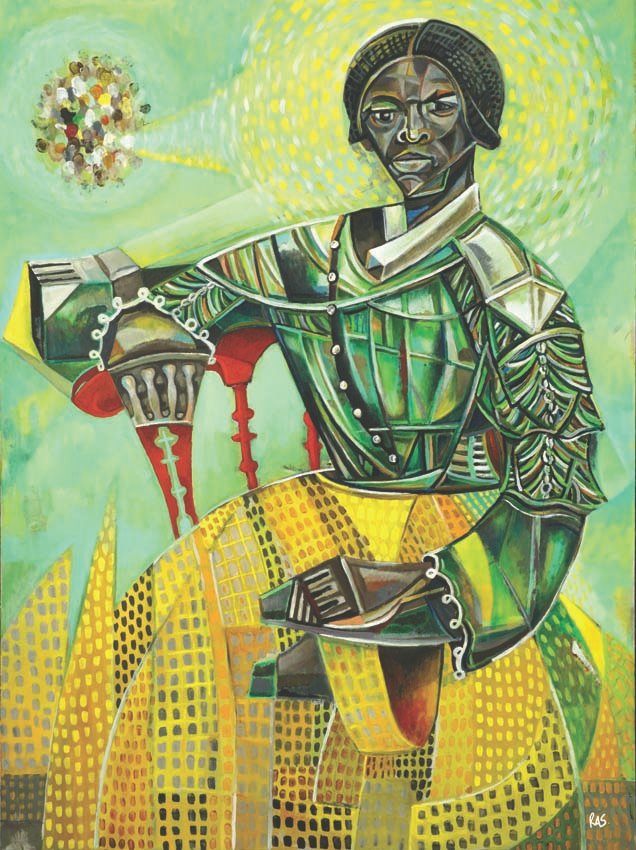
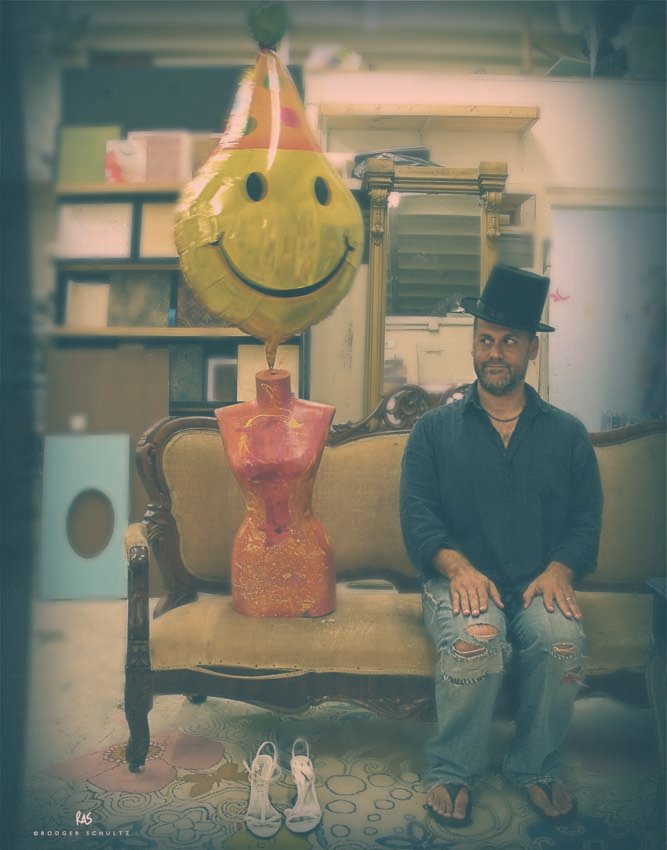
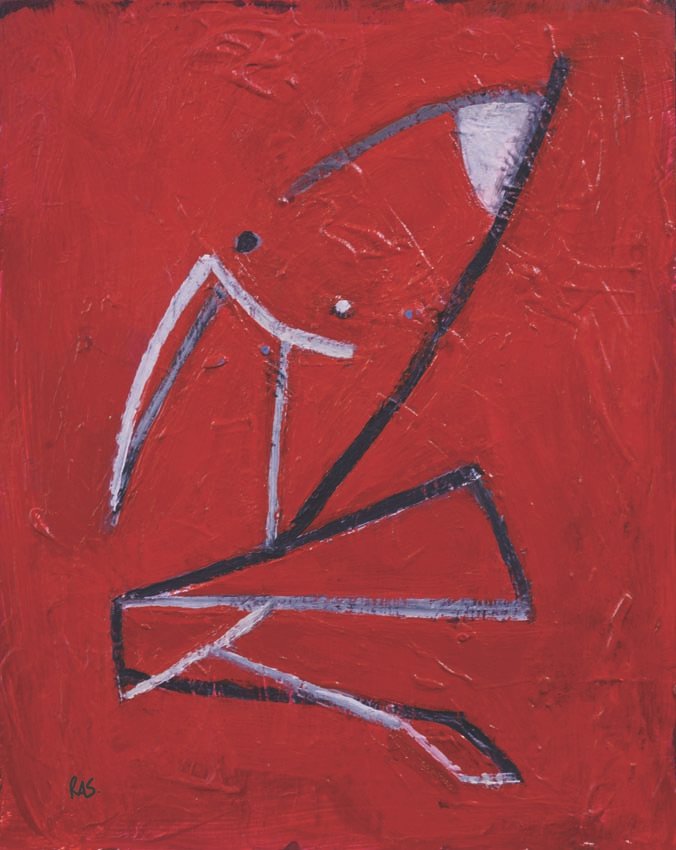
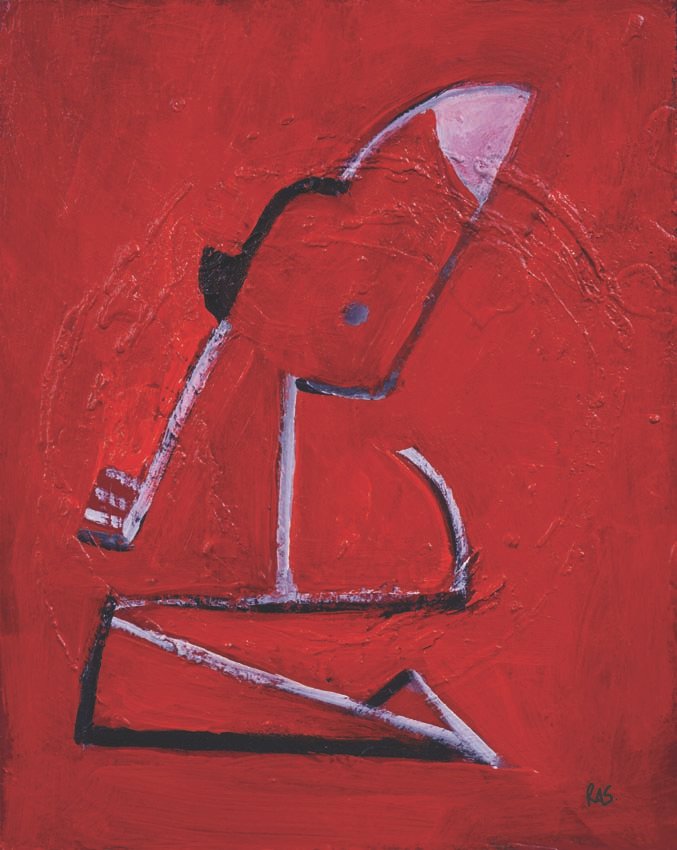
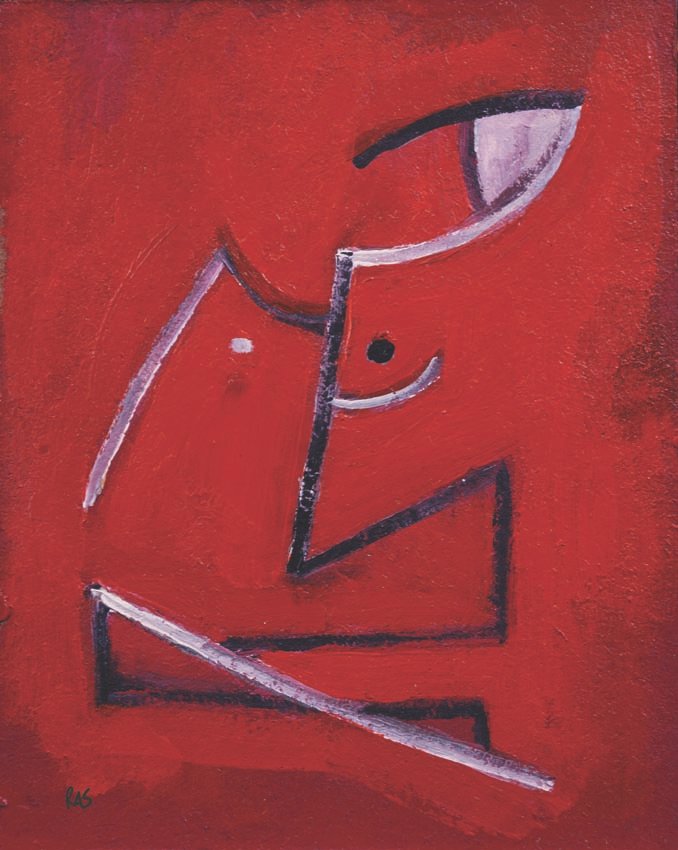
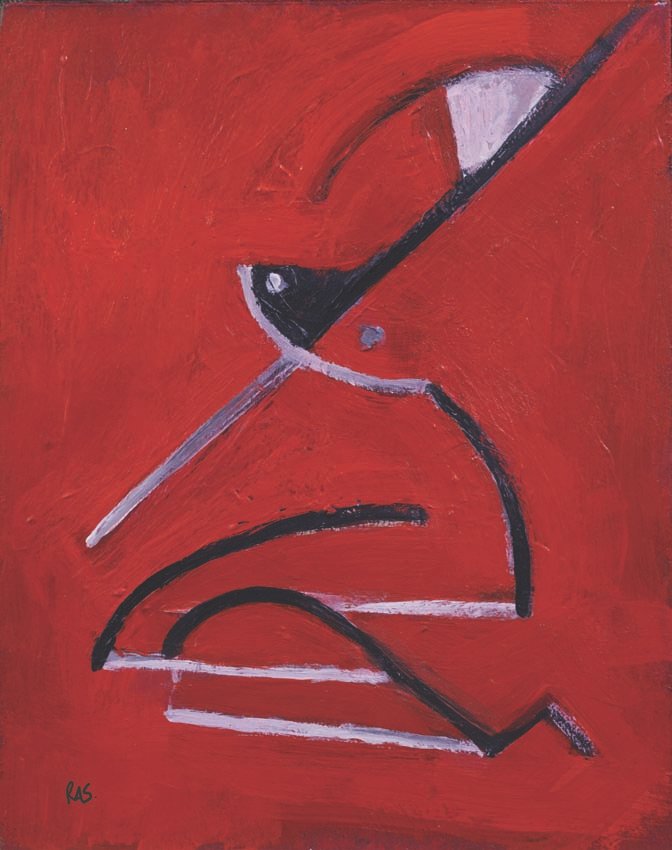
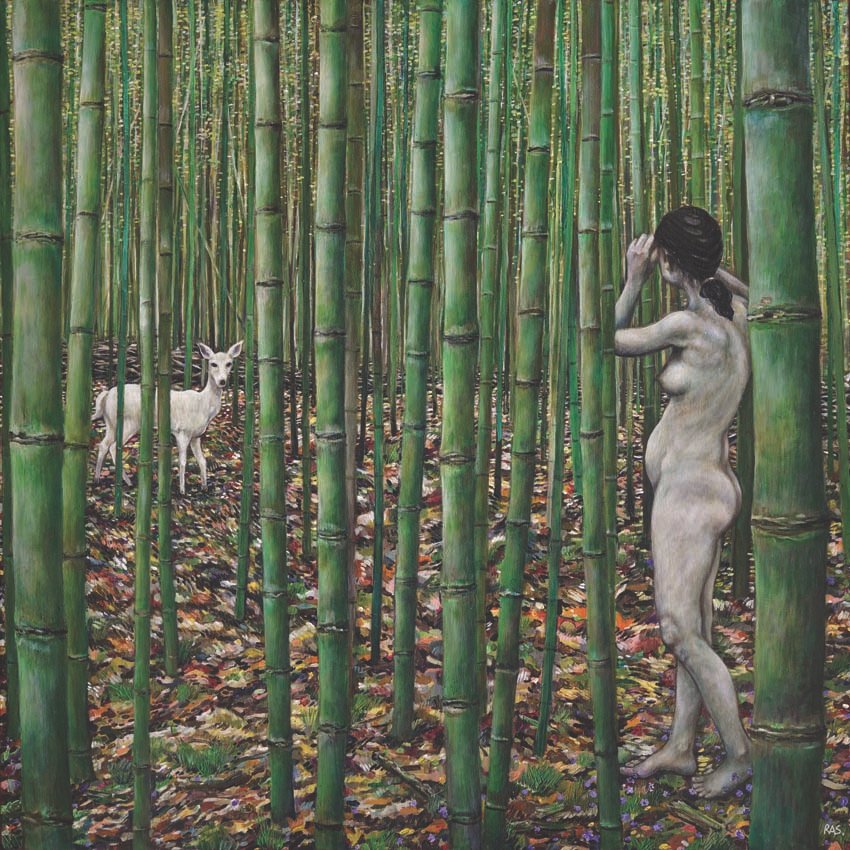
Rodger Schultz has a remarkable ambition: to create the greatest painting possible. What that looks like, he isn’t certain. At least not yet. But the Severna Park native, currently based in Virginia, has rebranded himself as an artist many times over his creative career. He was always artistic, even from childhood—“I was always very creative, but not a prodigy or anything,” he explains—until, at 23, he had what he describes as a spiritual experience that left him with the understanding that he was put on this earth to be an artist.
“The book of my life flipped open and stopped on a picture, and that picture had volumes of information in it,” he explains. “It didn’t reveal anything. It was just that I’m here to be an artist. It was written before I was born. I have something that I need to do in the world—not to the art world, necessarily—but important enough that I know about it three decades in advance, and it’s been unfolding and unfolding, like this, right here, is very literally my answer to what is the greatest painting possible.”
If that sounds complicated, Schultz understands—it’s a vague concept, even for him. “It’s like 10,000 miracles rolled into a blunt. That blunt is smoking me. It’s so big, I don’t know how to talk about it,” he says.
Schultz got his start as a professional artist after studying graphic design at University of Maryland, Baltimore County. What he was supposed to do with that design background was unclear to him. “My mom always said, ‘You’re going to be an architect,’ because I liked breaking out the ruler and the protractor, and I liked all that geometry as a kid,” he says. “But [at that point], I had no clue what I wanted to be.”
In the early 2000s, he witnessed a lot of resentment toward designers, as social media and other corners of the internet became flooded with graphic design work, much to the resentment of some who had made their careers in fine art. “They were the elite, and we were the guys that snuck in the side door,” he says.
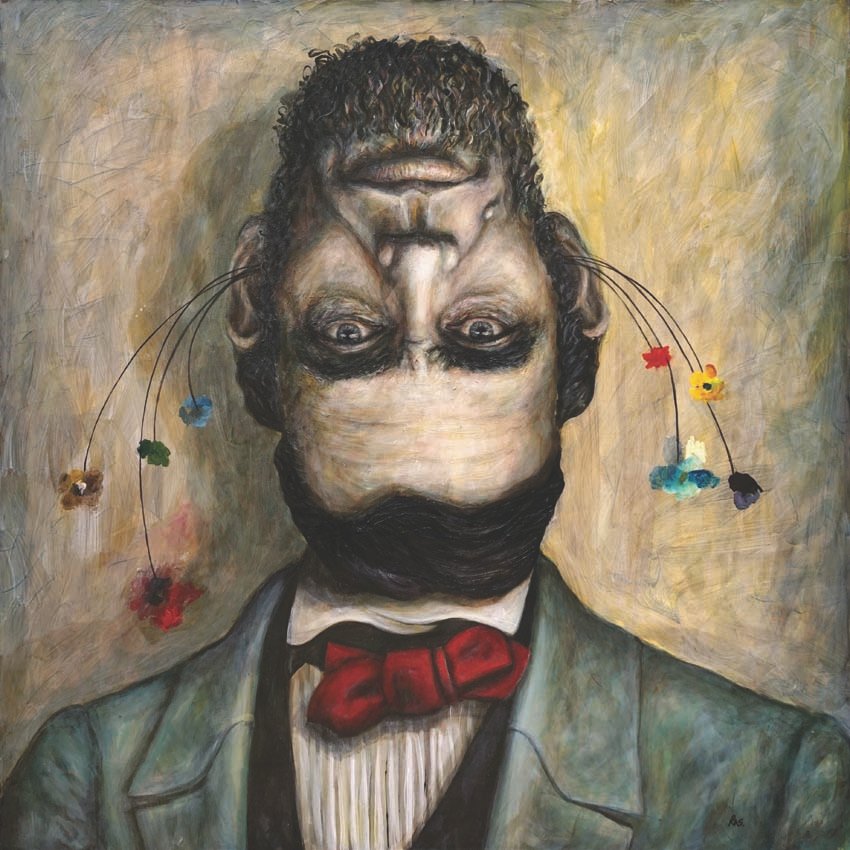
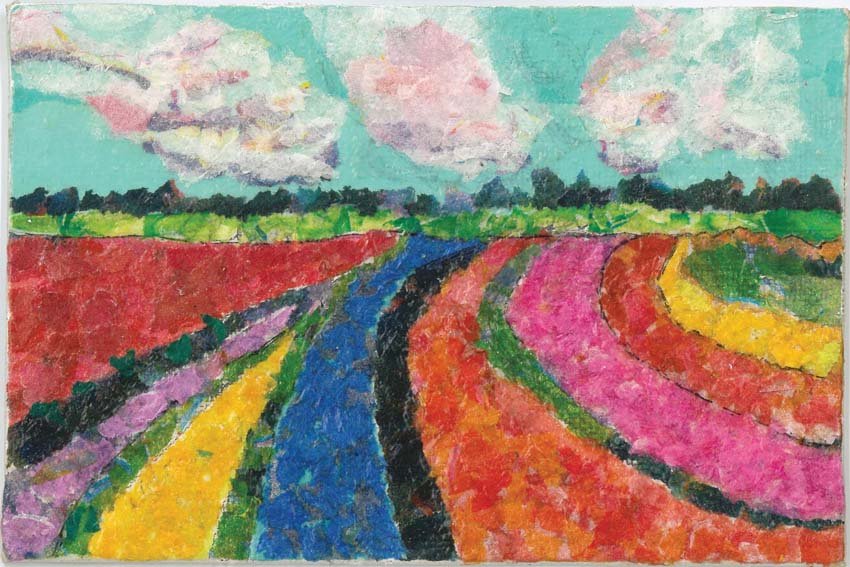
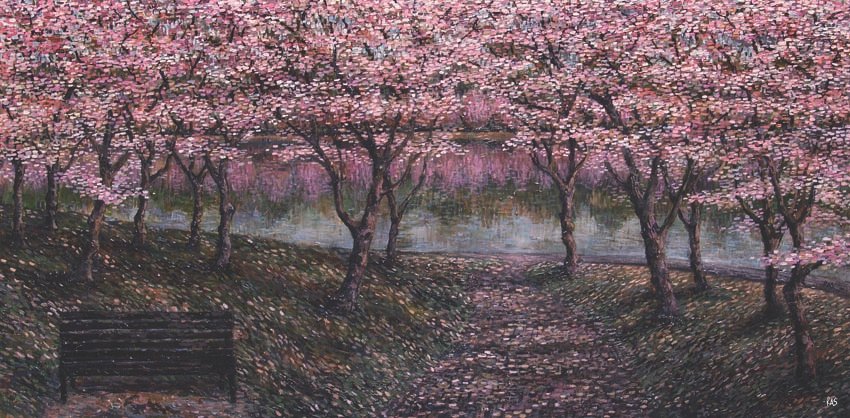
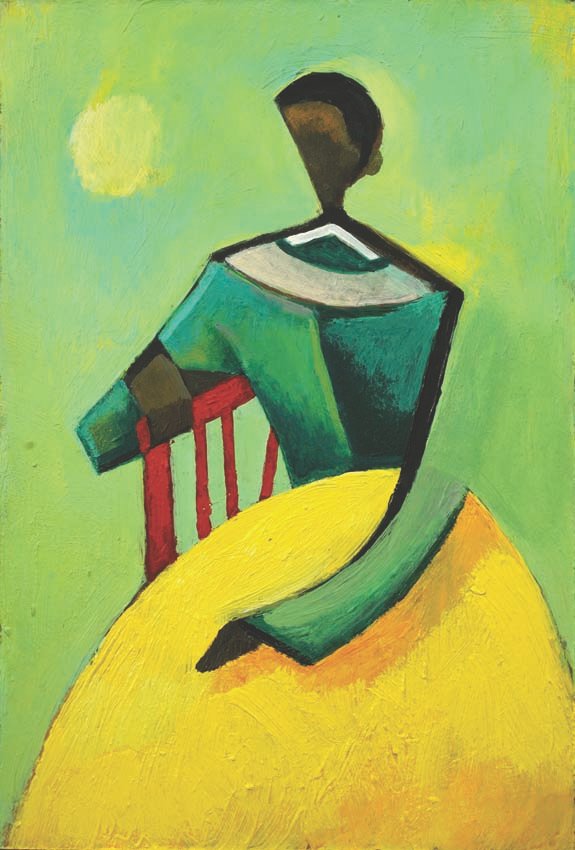
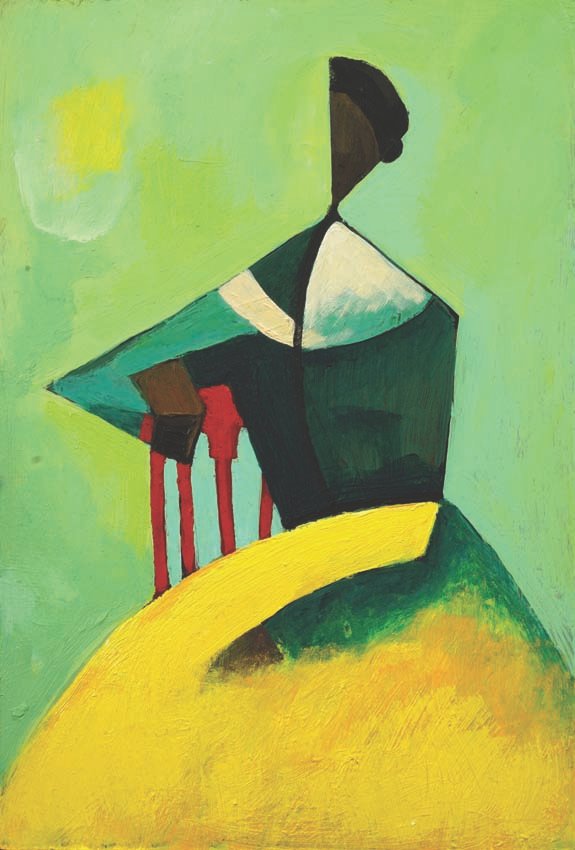
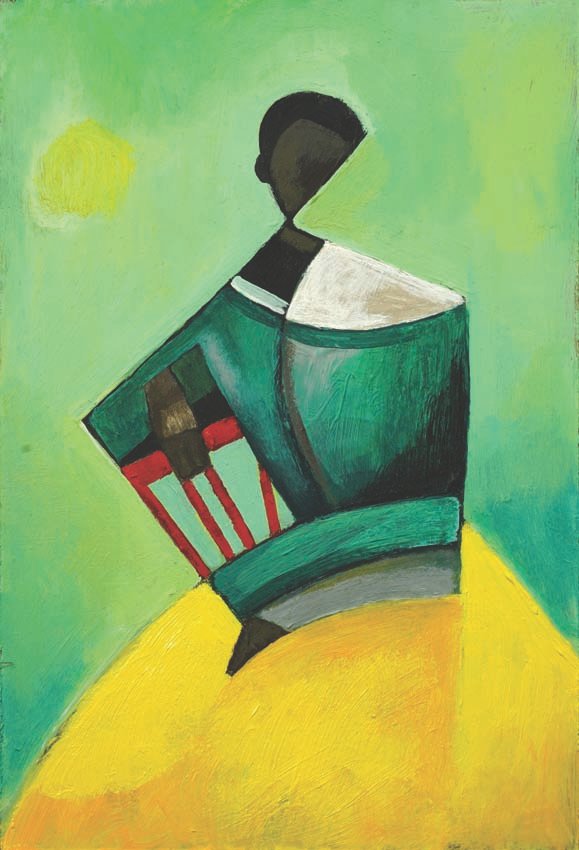
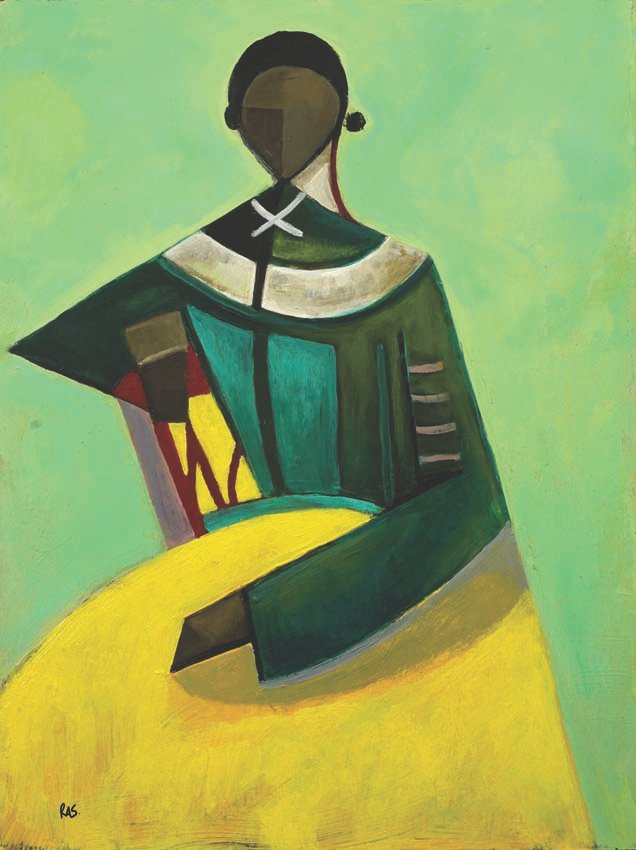
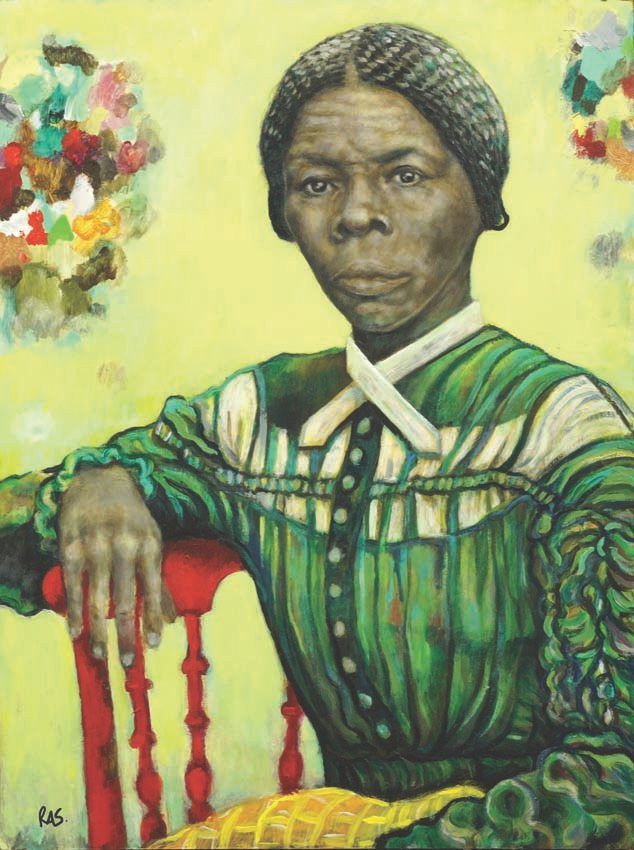
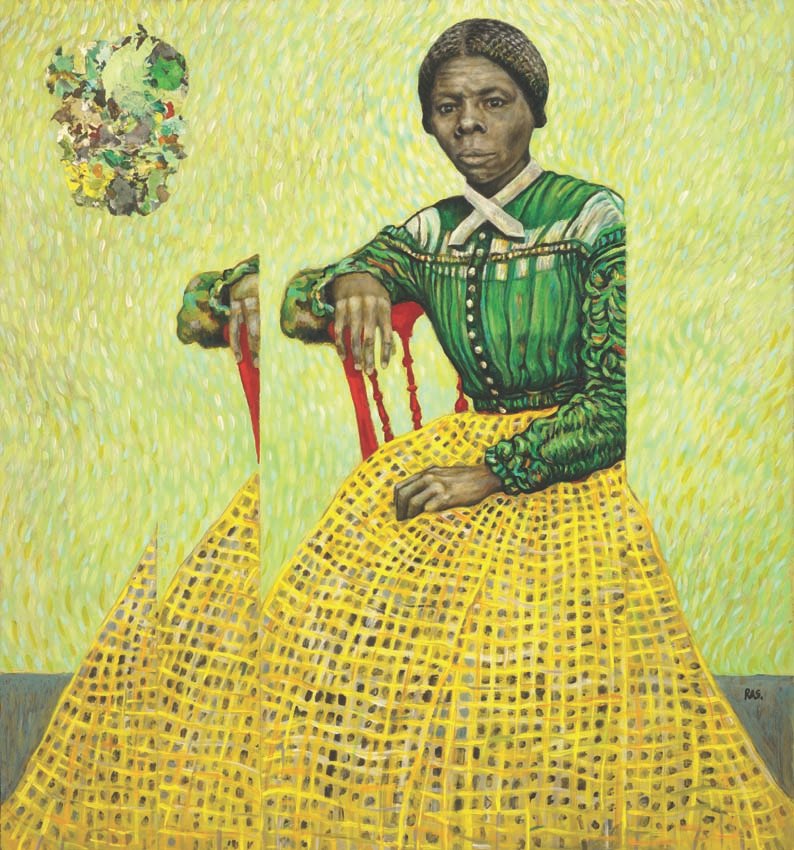
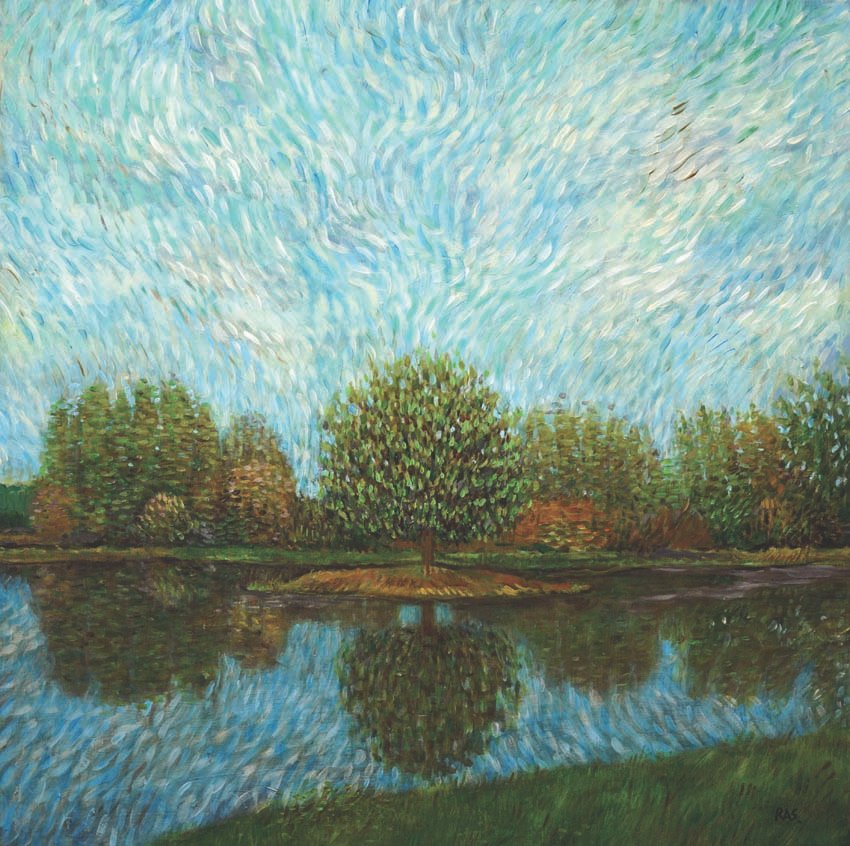
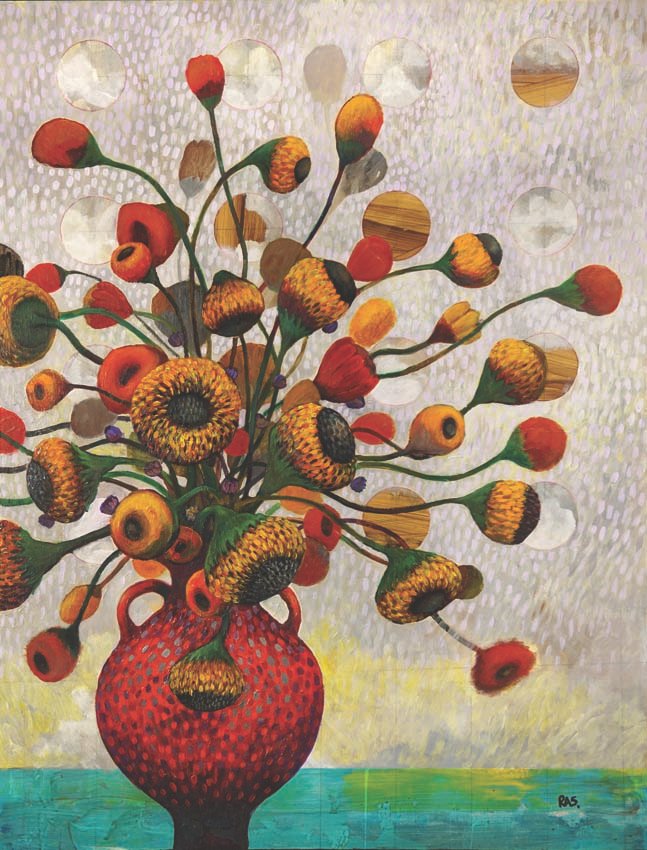
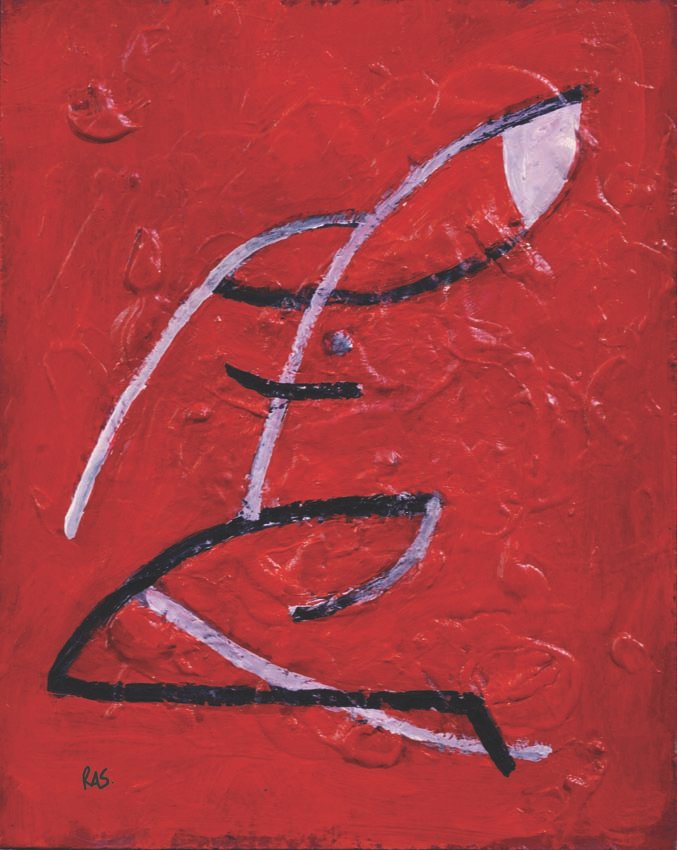
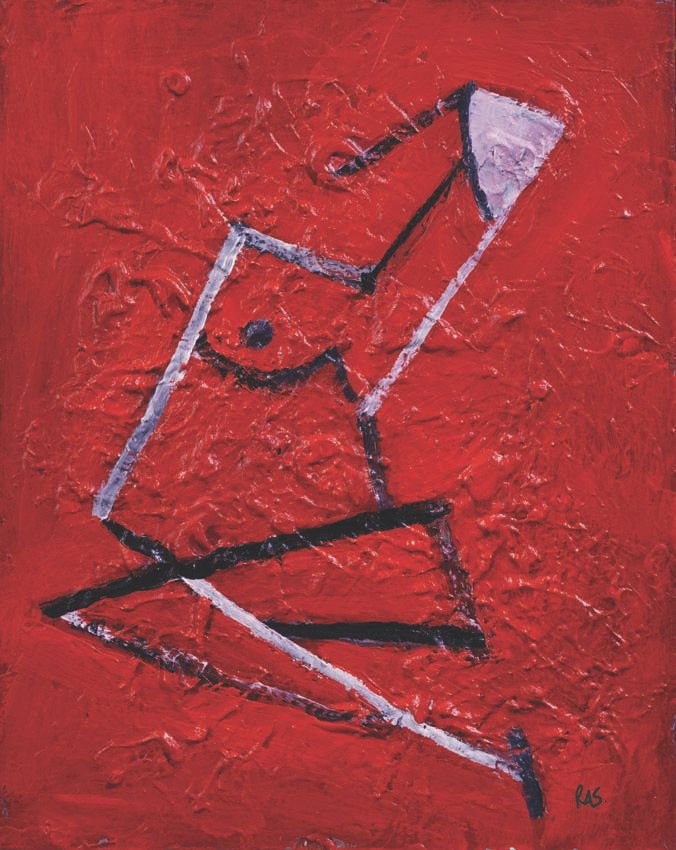
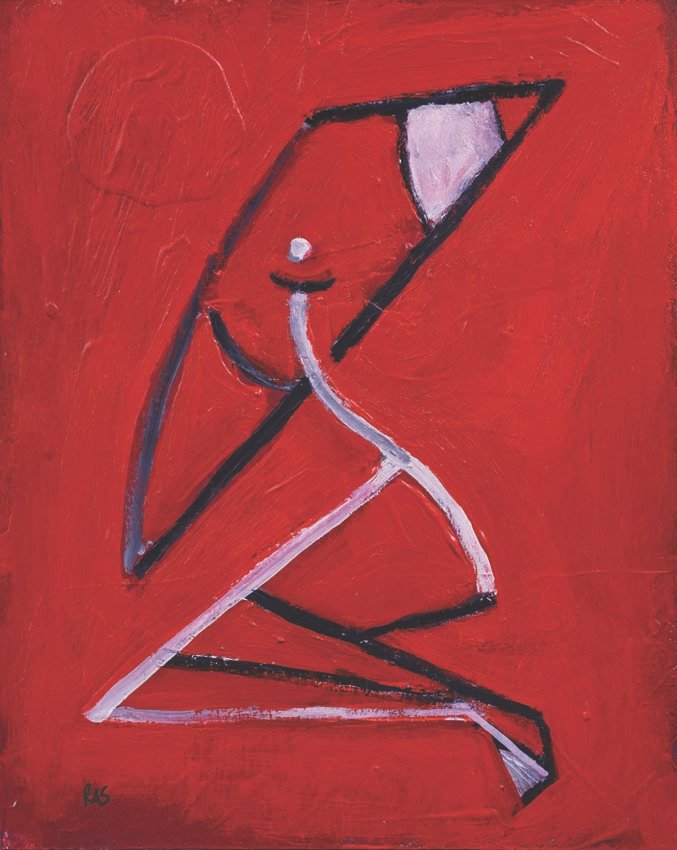
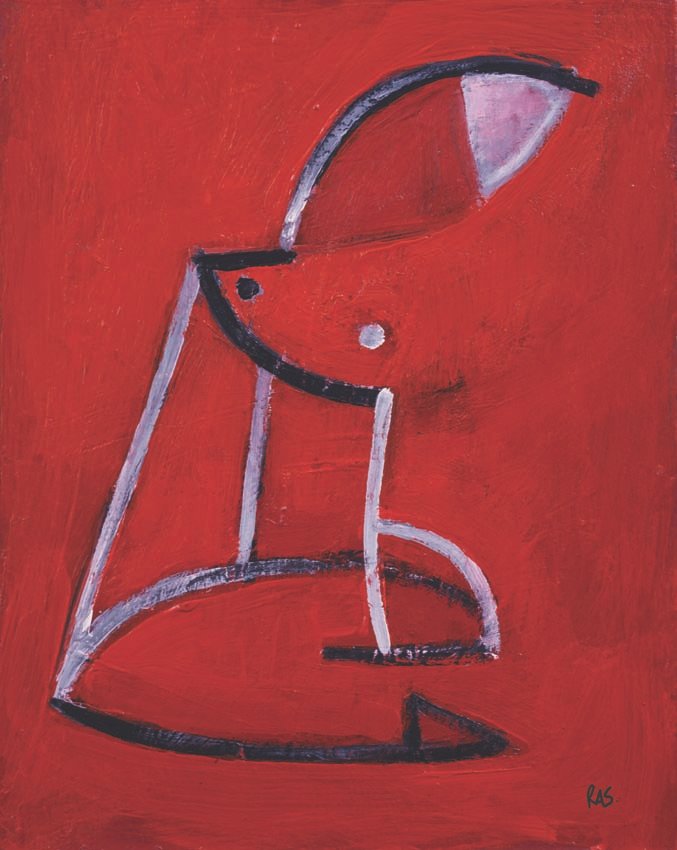
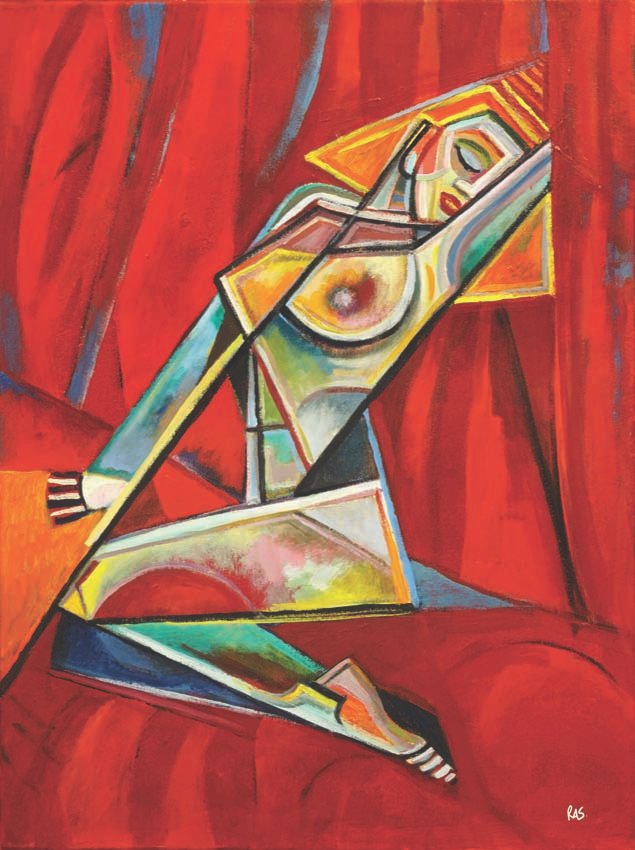
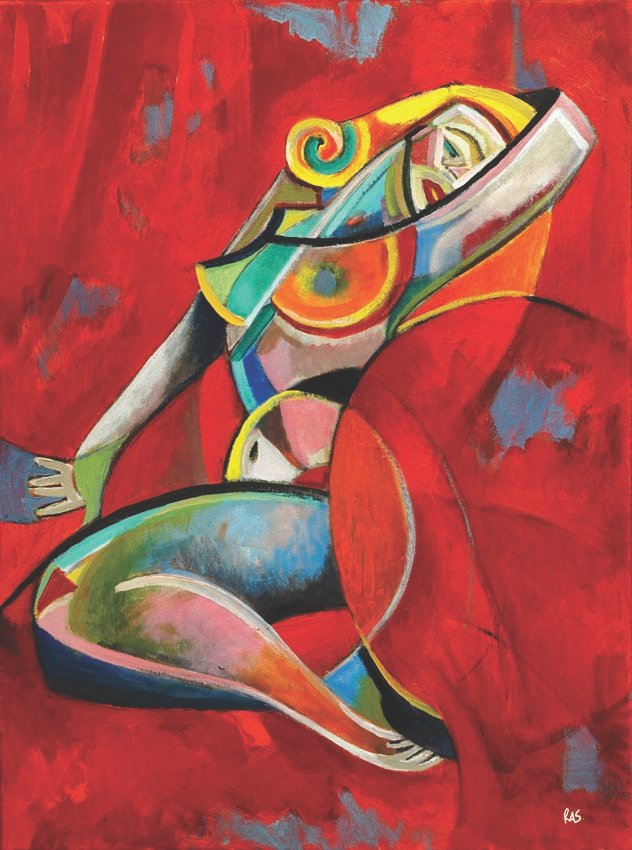
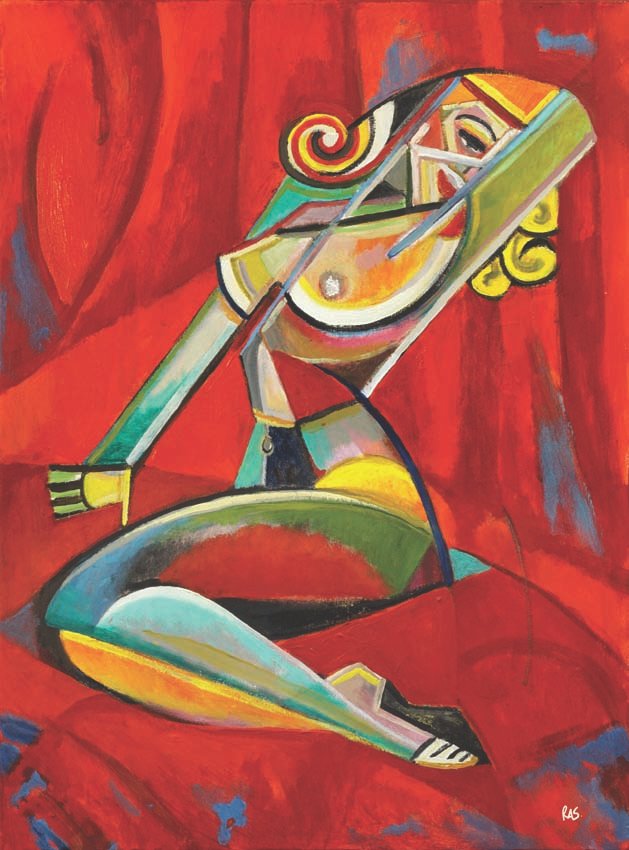
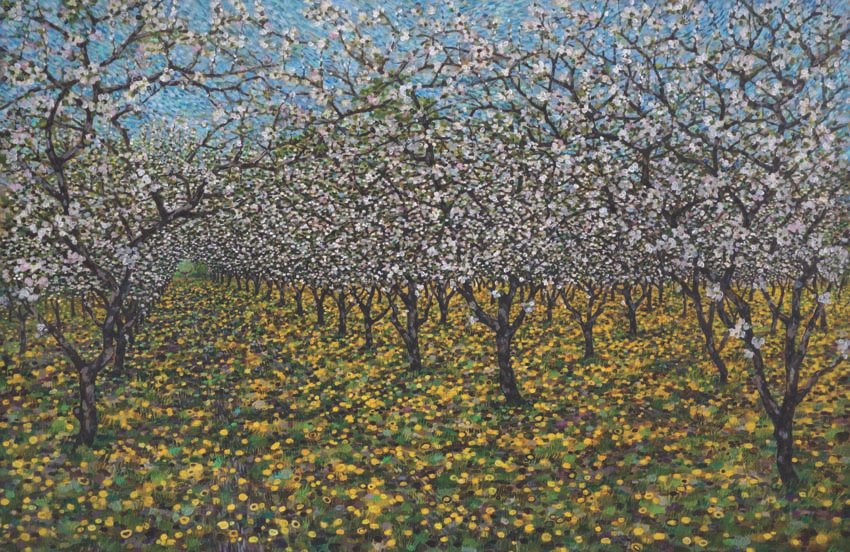
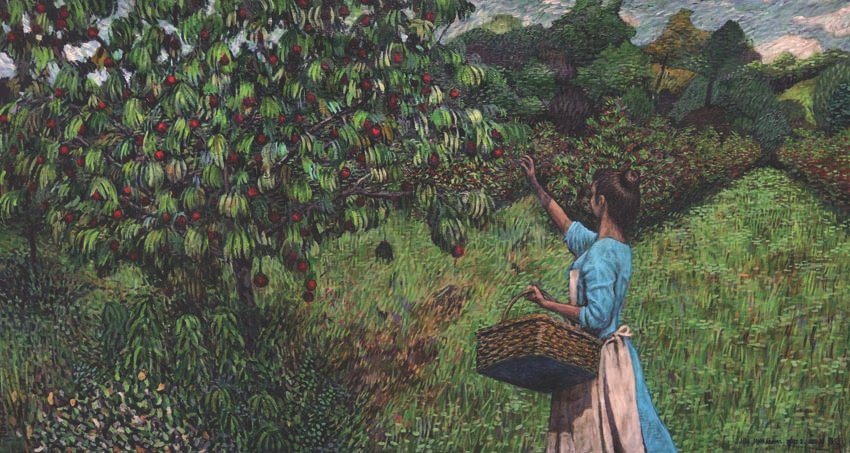
He found his artistic calling in painting, developing a style modeled after three influences he can clearly identify. First, there’s Pablo Picasso, whose abstract style Schultz says has made many people think to themselves, “I can do that.” Second, there’s Vincent van Gogh, who showed him the potential beauty of nature and landscapes. Finally, there’s Gustav Klimt, whom Schultz describes as his all-time favorite artist.
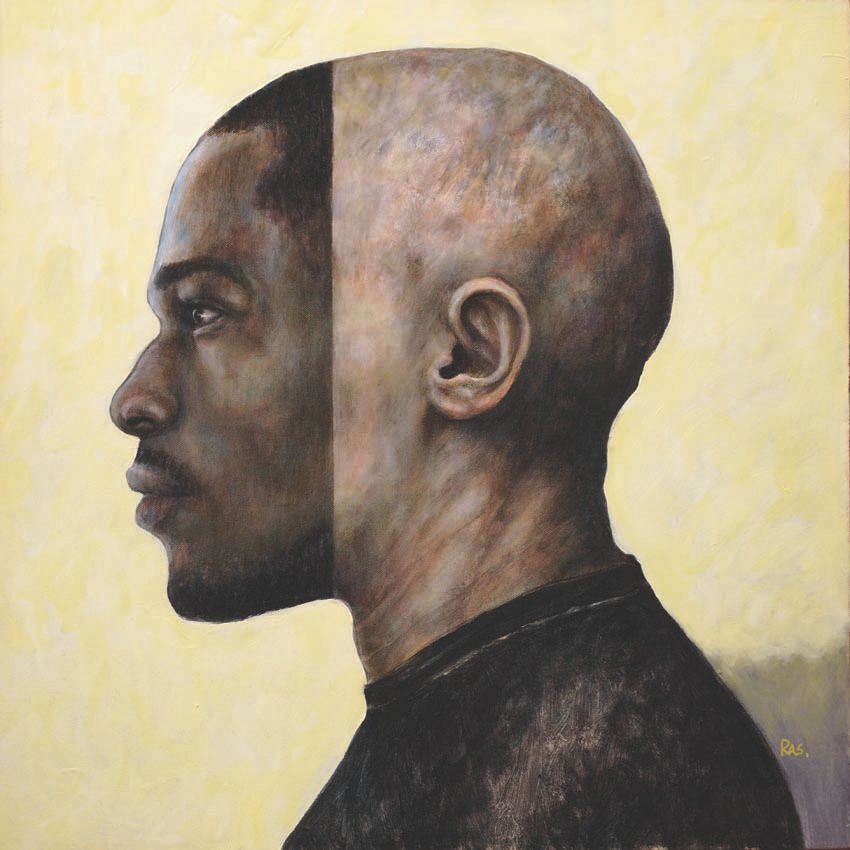
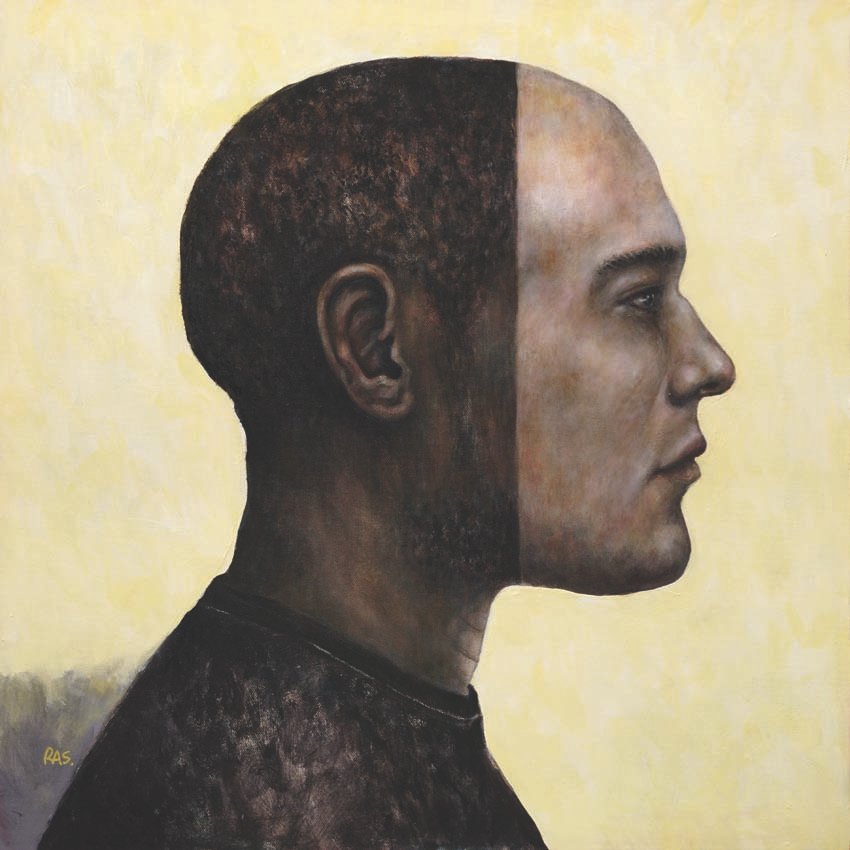
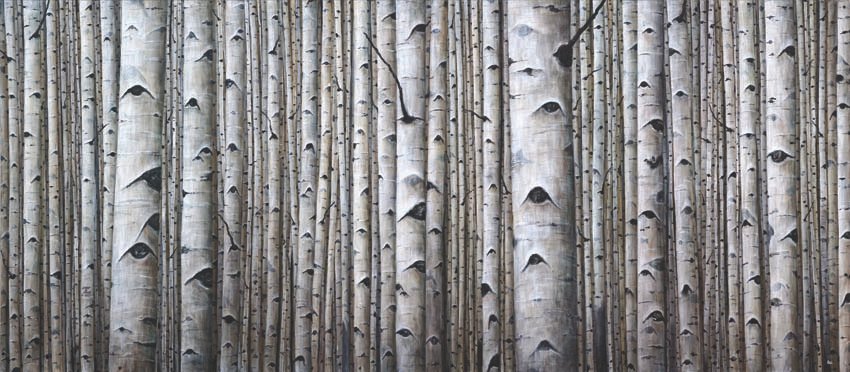
For years, Schultz built a varied portfolio depicting nature, portraits, and flowers. Now, he says he’s divorced from his prior art life and revitalizing his artistic persona to finally pursue the question of what is the greatest painting possible.
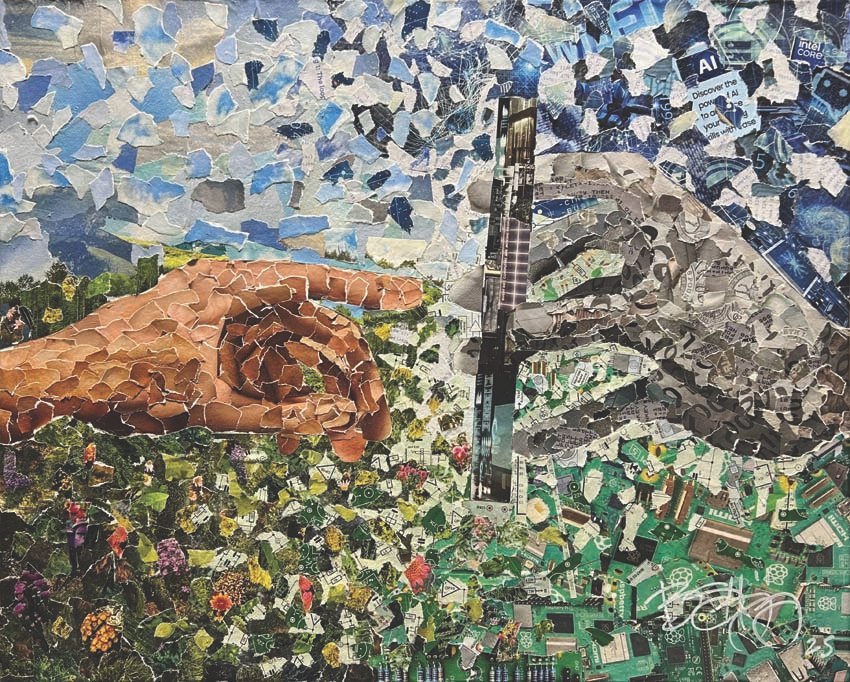
He says that part of the problem is that generative artificial intelligence is changing the art world, now that someone with no art experience can create images with a simple prompt. “What is the purpose of art? What is the purpose of an artist? Why are we here? Why am I here individually? Art as a whole is going to have to start from the beginning. What is our purpose? What does the world want from artists,” he asks.
Schultz is set on answering those questions, but they aren’t easy to answer. “My conundrum is I don’t know where to start,” he says. “Imagine a blank table. Call it the table of discovery, and put five seats [around it]. One is art, [the others are] science, spirituality, mathematics, and the intellect. How big is science? How big is the intellect? How big is art? How big is spirituality? Imagine just one person, your favorite artist, your favorite scientist, around a table. ‘All right, all right, guys, we’re gonna put everything we know on the table. Where are we gonna start our conversation?’ These huge, infinite realms—where does the conversation begin? This is where the conversation would begin. It is the very beginning, and that’s my job . . . to establish, create, and hold the beginning for this conversation that’s not going to end. In 1,000 years, these things are going to be the same thing, all communicating to each other, right?”
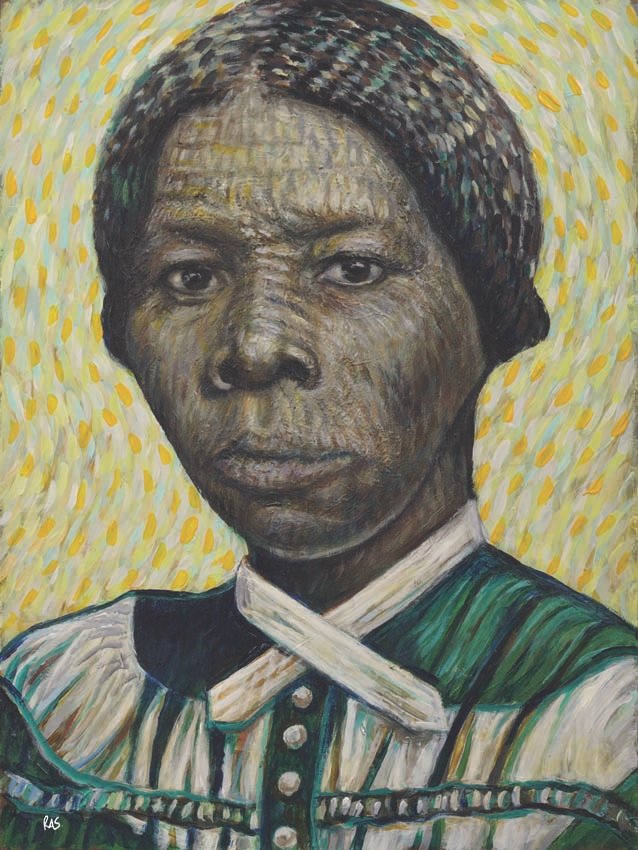
Once he discovers how to create the greatest painting possible and properly market it, he’s confident he’ll be able to sell as many as possible in the new era of his art career. And though the concept of the greatest painting possible is abstract, he’s confident that it exists. This is because, according to Shultz, even though many people throw aside the question when asked whether the greatest painting possible exists, he’s heard most people acknowledge that one painting can be better than another. “I’ve made several thousand, and some of them really suck,” he says. “As long as that piece of math exists, one painting can be greater than another, and there can be a greatest painting.”
Shultz says the issue is that most artists aren’t willing to pursue it. “It’s almost like the human intellect has a block from even asking and exploring this very childlike question, which seems totally relevant to me as a painter: What’s the greatest I can do?” he says. “What’s the greatest anyone can do? What’s the greatest painting that is even possible to do? Shouldn’t I shoot for that?”
He also sees the search as being an important part of the process. “You have to be in a state of not knowing—art, science, spirituality, mathematics, and intelligence are all mediums for discovery. That’s what they’re built on,” he says. “A mind that thinks it knows won’t even seek. . . . Scientists don’t seek what they already know. It’s all [about] what they don’t know. So, anyone working in the realm of discovery, you have to work from a place of ‘I don’t know’ or you will never discover anything.”